Source recyclable plastic eyeshadow case for Cosmetics, Shadow Boxes, and Powder Compacts
Compare 30 listings of recyclable plastic eyeshadow case options featuring customizable colors, eco-friendly materials, and various dimensions. Buyers can evaluate specifications like snap-on designs and pan sizes from manufacturers in China with MOQs ranging from 5000 to 20000 units.
Key considerations
Products List


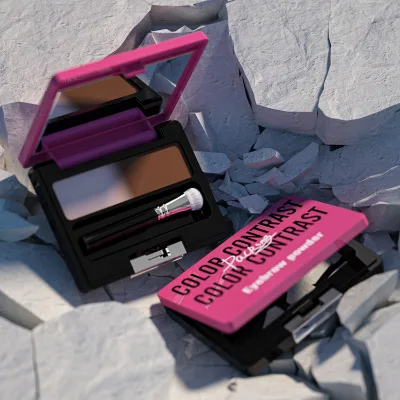




Comprehensive Sourcing Guide
Recyclable Plastic Eyeshadow Case Sourcing Guide
Sourcing recyclable plastic eyeshadow cases requires a strategic balance between aesthetic appeal, functional durability, and environmental compliance. The modern cosmetics industry increasingly demands packaging that aligns with sustainability goals without compromising the premium feel expected by consumers. Buyers must navigate a market where "recyclable" is often a marketing term rather than a verified technical specification. Therefore, the procurement process must be grounded in verified material data, clear supply chain transparency, and rigorous quality control protocols. This guide provides a structured approach to evaluating suppliers, verifying technical specifications, and managing commercial risks associated with this specific packaging category.
The following sections outline the critical steps for sourcing these components effectively. By focusing on observable listing signals, technical verification, compliance documentation, cost structures, supplier qualification, and long-term checks, buyers can mitigate risk and ensure that the final product meets both brand standards and regulatory requirements. The guidance herein is derived from observed market data and trusted industry knowledge, ensuring that decisions are based on factual evidence rather than speculative claims.
Product Scope and Observed Listing Signals
The market for plastic eyeshadow cases is characterized by a wide variety of designs, ranging from simple single-pan compacts to complex multi-pan palettes. Observed listings indicate a strong preference for customizable options, with many suppliers offering white or multi-colored bases that can be tailored to brand identities. The material composition is predominantly plastic, with specific models such as the Y072-2 and CP-2402N representing common structural designs. These cases often feature snap-on designs or container-style closures, which are critical for protecting fragile powder products during transit and use. Buyers should note that while "eco-friendly" is a frequently cited attribute, it must be cross-referenced with specific material certifications to ensure validity.
Listing signals also reveal significant variation in minimum order quantities (MOQs) and delivery timelines. Typical MOQs range from 10,000 to 20,000 units, reflecting the economies of scale required for injection molding processes. Delivery times are generally observed to be around 35 days, which buyers must factor into their inventory planning and launch schedules. Additionally, the origin of production is predominantly China, with specific hubs like Ningbo and Zhejiang province being common sources. Understanding these baseline commercial terms is essential for accurate budgeting and supply chain forecasting, as deviations from these norms may indicate higher costs or potential quality compromises.
Technical Specifications to Verify
Verifying technical specifications is the first line of defense against product failure and customer dissatisfaction. Buyers must confirm the exact dimensions and pan sizes of the eyeshadow cases to ensure compatibility with their specific formulations. For instance, models like CP-1393 and CP-1331B have distinct standard sizes, such as 50.717.6mm and 7413mm respectively, which dictate the internal layout and capacity. The thickness of the case, often around 12mm, impacts both the perceived quality and the stackability of the packaging. It is crucial to verify that the internal pan sizes, such as 37.8mm for single pans or 20.6mm*4 for quad pans, match the brand’s product design requirements precisely.
Beyond dimensions, the structural integrity and finishing details must be scrutinized. The shape of the case, whether square, rectangle, or other forms, affects the user experience and shelf presence. Buyers should request physical samples to test the snap mechanism’s durability and the hinge’s resilience, as these are common points of failure. Additionally, the printing page configuration, often single-sided, should be confirmed to avoid unexpected costs or design limitations. Customization options, including logo printing and color matching, must be clearly defined in the technical specifications to ensure that the final product aligns with the brand’s visual identity.
Compliance and Safety Documentation
Compliance and safety documentation are non-negotiable for cosmetics packaging, especially when claims of recyclability are made. Buyers must request certificates of conformity and material safety data sheets (MSDS) from suppliers to verify that the plastic used is free from harmful substances such as phthalates, BPA, and heavy metals. While ISO certification is often cited as a quality indicator, it is essential to verify the specific scope of the certification to ensure it covers the manufacturing processes relevant to cosmetics packaging. Without proper documentation, brands risk regulatory penalties and reputational damage in key markets like the European Union and North America.
Furthermore, buyers should inquire about the specific recyclability claims and the infrastructure required to process the packaging. Not all recyclable plastics are accepted in all municipal recycling streams, so understanding the local recycling capabilities is crucial. Suppliers should provide clear information on the type of plastic used, such as PET, PP, or ABS, and whether it is mono-material or multi-material, as this significantly impacts recyclability. Buyers must also ensure that any inks or adhesives used in printing and assembly are compliant with relevant safety standards, as these components can contaminate the recycling stream if not properly managed.
Cost Drivers and Commercial Terms
Understanding the cost drivers behind recyclable plastic eyeshadow cases is vital for accurate budgeting and negotiation. The primary cost drivers include the price of raw plastic materials, which fluctuates with global oil prices, and the complexity of the mold design. Custom shapes, intricate snap mechanisms, and multi-color printing can significantly increase tooling and production costs. Buyers should also consider the impact of MOQs on unit pricing, as higher volumes typically result in lower per-unit costs due to amortized setup and production expenses. Additionally, the choice of packaging method, such as layer-packed or carton-packed, can affect shipping costs and storage efficiency.
Commercial terms, including payment methods, lead times, and warranty policies, must be clearly defined in the purchase agreement. Buyers should negotiate for flexible payment terms that align with their cash flow cycles, such as a deposit followed by balance upon shipment. It is also important to clarify the responsibilities for shipping and insurance, particularly for international orders. Suppliers should provide a clear timeline for production and delivery, with penalties for delays, to ensure that the brand’s launch schedule is not disrupted. Understanding these commercial dynamics allows buyers to make informed decisions that balance cost, quality, and risk.
Supplier Qualification and Quality Control
Supplier qualification is a critical step in ensuring a reliable supply chain for eyeshadow cases. Buyers should conduct thorough due diligence on potential suppliers, including verifying their business licenses, production capacity, and past performance. Requesting references from existing clients and conducting factory audits can provide valuable insights into the supplier’s operational efficiency and quality management systems. Additionally, buyers should assess the supplier’s ability to handle custom orders and their responsiveness to design changes, as flexibility is often required in the fast-paced cosmetics industry.
Quality control measures must be implemented at every stage of production, from raw material inspection to final packaging. Buyers should establish clear quality standards and inspection criteria, including visual checks for defects, dimensional accuracy, and functional testing of closures. Third-party inspection services can be employed to verify that the products meet the agreed-upon specifications before shipment. It is also important to have a clear process for handling non-conforming products, including return policies and corrective action plans. By implementing robust quality control protocols, buyers can minimize the risk of receiving defective goods and maintain high customer satisfaction.
Long-Term Procurement Checks
Long-term procurement checks are essential for maintaining a sustainable and efficient supply chain. Buyers should regularly review supplier performance metrics, including on-time delivery rates, quality consistency, and responsiveness to issues. Establishing a periodic review process allows buyers to identify potential problems early and take corrective action before they escalate. Additionally, buyers should stay informed about changes in regulations, market trends, and technological advancements that may impact the sourcing of recyclable plastic eyeshadow cases. This proactive approach ensures that the supply chain remains resilient and competitive over time.
Furthermore, buyers should foster strong relationships with their suppliers through open communication and collaborative problem-solving. Regular meetings and feedback sessions can help align expectations and address any concerns promptly. Exploring opportunities for continuous improvement, such as cost reduction initiatives or sustainability enhancements, can also benefit both parties. By investing in long-term supplier partnerships, buyers can secure a stable supply of high-quality eyeshadow cases that support their brand’s growth and sustainability goals. This strategic approach to procurement ensures that the brand remains agile and responsive to market changes.
FAQs
What materials are used for these cosmetic cases?
The cases are constructed from plastic, specifically designed for cosmetics and shadow boxes. This material choice ensures durability while maintaining a lightweight profile suitable for portable makeup storage and transport.
Can I customize the color and logo on the case?
Yes, customization is available for both color and logo printing. Buyers can select white or multi-colored options, and custom logos are accepted to meet specific branding requirements for the product.
What is the minimum order quantity for these cases?
The minimum order quantity varies between 10,000 and 12,000 units depending on the specific model selected. Some listings indicate an MOQ of 10,000, while others require 12,000 units for production.
How long does delivery take for these cosmetic containers?
The standard delivery time is approximately 35 days from the order date. This lead time applies to the production and shipping process for the customized plastic cosmetic cases.
Are these products certified for quality and safety?
Yes, the products hold ISO certification, indicating adherence to international quality management standards. This ensures that the manufacturing process meets specific safety and quality benchmarks for cosmetic packaging.
What are the available shapes and sizes for these cases?
The cases come in square and rectangular shapes with various dimensions. Specific models include sizes like 66.6mm diameter or 115mm length, with pan sizes tailored for different makeup configurations.
Where are these cosmetic cases manufactured and shipped from?
These products originate from manufacturing facilities in China, specifically in Ningbo and Zhejiang provinces. The goods are packed in cartons and shipped from these locations to international buyers.